Corns that do not get treated and well looked after can become infected and develop ulcers. To avoid this, learn about foot and toe corn removal. Find out the available foot and corn removal methods such as podiatrist corn removal, natural corn removal as well as permanent corn removal.
Foot & Toe Corn Removal – How to Remove Corns from Toes & Feet
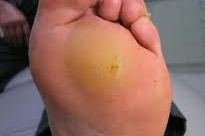
Toe corns are a common occurrence. These, if not looked after can become painful or even get infected in cases where one is negligent. Once does not have to wait for these extremes to happen as there are a number of methods that can be used for foot and toe corn removal. The method on how to remove corns from toes and feet that one picks depends on a number of factors. These include one’s preference, financial capability and the severity of the corns.
Natural methods for removal of corns are a cheap way of getting rid of them. They include using products such as papaya, pineapple and lemon to cover the corn for a given time. When this is done consistently, the corn heals with time. Baking soda, vinegar and chamomile tea can be used to make solutions for soaking the corns. This softens them making it easy to scrub them off using a pumice stone.
Another method would be by using medicated products. These pare down the corn’s thickened skin. They normally contain salicylic acid as the active ingredient. It has the ability to dissolve keratin, the protein that makes up corns, as well as the thickened dead skin top layer. Medicated products for foot corn removal are available in various forms such as medicated pads, drops, plasters and creams.
Medicated products should only be used on areas with corns. People who suffer from poor circulation and diabetes should not use them as these could lead to worsened health conditions. In cases where the corns become infected, a health care provider can prescribe antibiotics.
The final way through which toe corn removal can be done is through surgical treatment. This can be done to get rid of bone prominence which makes one susceptible to corns. It usually is the only way to break the pain cycle caused by corns resulting from deformities. The recovery time after foot corn removal varies depending on one’s state of health.
Natural Corn Removal
Natural remedies always provide alternatives to the conventional methods of doing things. Natural corn removal is not only cheap but non-invasive as well. Since they make use of readily available materials, one can decide which suits them best. Below are some natural methods on how to remove a corn.
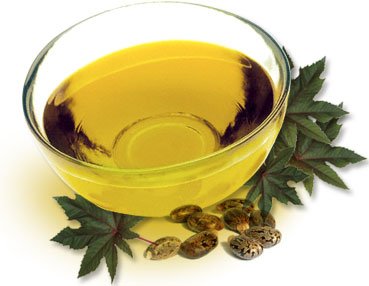
Castor oil: Applied directly on the corn, castor oil provides relief from corns. Massage some oil on the corn thrice daily. This makes it easy to slough using a pumice stone. This remedy is among the quicker ones of the home remedies.
Aspirin: This can be used to get rid of painful corns. Make a paste using two aspirin tablets and a few drops of water. Apply a thick layer of this on the corn and wrap it up using a band aid. Let this rest overnight. Repeat this until the corn is gone.
Lemon: Place a small piece of fresh lemon flesh on the corn. Secure it tightly with an adhesive band. Change it at least once every day and repeat this until desired results are achieved.
Baking soda: Combined in equal parts with lime and water, baking soda will help to flake off the corn. Apply the mixture directly onto the corn. Be careful not to contact the surrounding areas with the solution. Where the corn is in between the toes, cotton balls can be used to separate the areas under treatment from normal skin.

Pineapple: The pineapple uses the same concept as the lemon flesh. Place a piece of pineapple enough to cover the whole corn on it. This hastens the healing process as well as alleviates the pain.
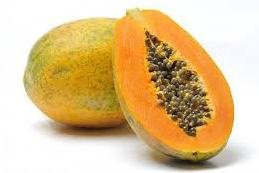
Papaya: This fruit contains sloughing and healing properties. One can dab some fresh juice or place a piece of papaya on the corn. With time, the corn falls off naturally.
Chamomile Tea: Soaking feet in a solution made up of chamomile tea, water and Epsom salt is not only aromatically soothing but also therapeutic. It helps to soften corns as well.
Vinegar: To use this as a home remedy for corns, soak a cotton ball in vinegar and secure it with an adhesive band on the corn. Let this stay for 24hours. This will help in getting rid of the corn fast.
Podiatrist Corn Removal
Though corns are rarely a major health concern, there are situations in which specialized attention may be necessary to treat them. At times, the corns may keep recurring or become too painful. In such situations, professional treatment would be required. Podiatrist corn removal advice will also be vital where surgery is recommended to correct any deformities that may be causing the corns.
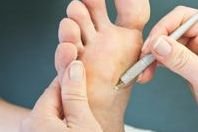
In other instances, it will be necessary for the podiatrist to remove the corn itself. This they do by shaving off the corn. The affected area is then polished up and after care recommended. This may include padding to ease pressure on areas prone to corns.
When corns are left untreated for long, they may become too hard. The body will then start treating them as foreign objects. This could lead to formation of an ulcer which will then be followed by an infection. This gets worse in people with diabetes or those with poor circulation. To avoid such complications it is best to treat corns early enough. In case they get there, consult a podiatrist for treatment of the corn.
A podiatrist corn removal process attempts to correct the causes of the corns. Depending on severity, it is important not to take them too lightly and see a doctor when they seem to get worse with time.
Permanent Corn Removal

Living a corn free life is possible but it takes some efforts. For permanent corn removal to be effective, it takes both curative and preventive measures. One needs to pick a removal method that will work for them. For small corns that are not stubborn, home remedies can work. In case one tries these but the corns keep recurring, a visit to the podiatrist will be necessary. After consultation and diagnosis, one will advise on what the best removal method is. It may require the patient more than a day’s visit to get desired results. In case the underlying cause is toe deformity surgery may be necessary for one to get rid of corns for good.
Once the treatment and removal of the corn has been successful, one will be required to prevent recurrence. This will begin by dressing in the right footwear. The shoes should be of the right size while the socks should be fitting. When one has to walk or stand for a long time, high heels should be avoided. The shoes should also have a toe box that is wide enough.
Corn Removal Cream
There are some corn removal cream brands available in the market. These contain salicylic acid as the main ingredient. While there are some available over the counter, some are only available on prescription.
Corn Removal Medicine
Salicylic acid is an important ingredient in corn removal medicine. It plays a big role in the breakdown of the corn. Though they work well, these medicines should not be used by people with diabetes or by those who have problems with their circulatory systems.
Further Suggested Reading:
- Corns Between Toes Pictures, Treatment & Getting Rid of Soft Corns
- How to Get Rid of Corns Fast, Naturally & Permanently on Toes
- Home Remedies for Corns on Toes, Feet & Bottom of Feet (with Vinegar)
- Best Corn Removal Products Reviews for Foot & Toe Corns
- Corns on Toes Causes, Pictures & How to Hide, Treat Soft Corns
- Corn Removal Surgery Cost & Before and After Pictures, Reviews
- Foot Corn Treatment CVS Cream, Lemon & Dr. Scholls Treatments
- Best Corn Remover Reviews for Liquid and Corn Remover Pads
- Corns on Feet Pictures, Treatment & How to Remove Corns on Feet
- What Causes Corns on Feet, Toes and Between Toes
- What Are Corns on Feet, Toes and Bottom of Feet?





Can Compound w wart remover be used for reimovng skin tags?My husband had what he thought was a wart but after looking at it I realized it was a skin tag. He has been using compound w to remove it and it has shrivelled up and turned black like it’s drying out. Should he stop using the wart remover on it? and should he seek medical treatment now?